Quick answer
A sauna tent is usually a collapsible fabric enclosure, often powered by steam or portable heaters, while a sauna box is a broader term that can include fabric boxes, infrared sit-in enclosures, compact wooden cabins, or more rigid portable units. Choose a sauna tent if low cost, folding storage, and temporary setup matter most. Choose a sauna box if you want a more structured enclosure, drier infrared heat, better seating comfort, or a product that feels closer to a compact home sauna. In both cases, check moisture, electrical requirements, cleaning, warranty, and return costs before buying.
The difference is not always strict because sellers use both terms loosely. Instead of relying on the name, compare the heat source, materials, assembled size, stored size, ventilation needs, repairability, and real ownership routine.
Why the naming is confusing
Sauna tent and sauna box are not regulated product categories. A fabric steam enclosure may be called a tent, box, portable sauna, steam sauna, or personal spa. An infrared fabric enclosure may be called a box even if it folds like a tent. A compact wooden infrared cabin may be marketed as a sauna box because it is small and self-contained. This creates search confusion for buyers.
The better approach is to identify what the product actually is. Ask: Is the frame fabric or rigid? Is the heat source steam, infrared panels, electric air heat, or something else? Does the unit keep your head inside or outside? Does it fold after use? Does it create moisture? Does it require freight delivery? These answers matter more than the label.
For category context, read Types of Saunas Explained and Dry Sauna vs Wet Sauna vs Infrared.
Sauna tent: typical strengths and weaknesses
A sauna tent is usually designed for portability and price. It often uses a fabric shell over a folding frame. Many steam tents include a small generator, hose, chair, and remote. Some tent-like products use infrared panels or heated elements, but steam is common in low-cost models.
Sauna tent pros
- Usually lower cost than rigid boxes or cabins.
- Folds smaller for storage.
- Good for renters and temporary spaces.
- Easier to move between rooms.
- Simple way to test whether home sauna sessions fit your routine.
Sauna tent cons
- Fabric, zippers, and frames can wear.
- Steam models require moisture planning.
- Seating may be basic or cramped.
- Heat distribution may be uneven.
- Drying and cleaning are part of every session.
- Product documentation may be thin on low-cost listings.
A sauna tent is best for buyers who value low commitment and accept setup chores.
Sauna box: typical strengths and weaknesses
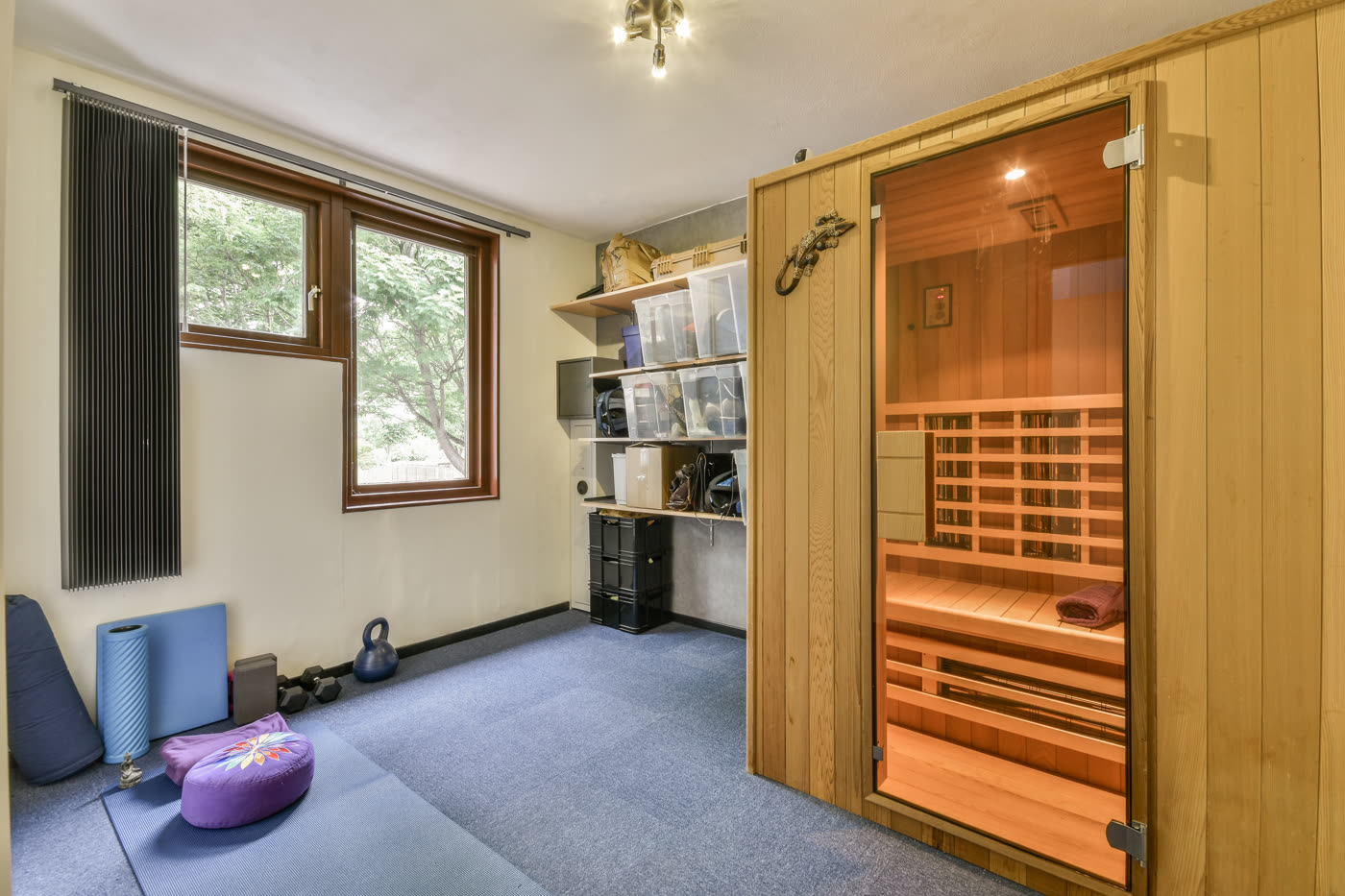
A sauna box can mean a more structured portable enclosure. It may be fabric with infrared panels, a semi-rigid personal sauna, or a compact wooden cabin. Compared with a basic tent, a box may feel more stable, provide more predictable seating, or use drier heat. However, the term does not guarantee quality.
Sauna box pros
- Often feels more structured than a tent.
- May offer infrared heat with less humidity.
- Can provide better seat position and enclosure shape.
- Some models have more durable materials.
- May be easier to integrate into a home gym or spare room.
Sauna box cons
- Often costs more.
- May be less foldable or harder to store.
- Infrared claims can be confusing.
- Wooden or rigid models are harder to return.
- Bulky delivery and assembly may be required.
- Replacement parts and warranty clarity still matter.
A sauna box is best for buyers who want a more repeatable home setup and have enough space to leave it assembled or semi-assembled.
Heat source comparison
Heat source is the biggest practical difference. Steam tents create humidity and require drying. Infrared boxes stay drier and depend on panel placement. Electric dry-heat boxes may advertise traditional sauna feel, but small portable units may not match the temperature stability of a built-in sauna.
Compare these questions:
- Does it use water? If yes, where does condensation go?
- Does it use infrared panels? If yes, where are panels located?
- Does it need a long warm-up?
- Is the advertised temperature air temperature or heater output?
- Does the manual explain safe operating time and cooldown?
- Are hot surfaces guarded or clearly identified?
If you are evaluating infrared boxes, see Far Infrared vs Near Infrared Sauna. If you are evaluating steam tents, review moisture cautions in Sauna Benefits and Risks and related buyer pages.
Space and storage checklist
A tent may win on storage, but only if it dries fully before folding. A box may win on daily convenience, but only if you have floor space. Measure both assembled and stored dimensions.
Checklist:
- Assembled footprint with door, chair, and cord clearance.
- Stored dimensions after the unit is dry.
- Weight of the frame, box, steamer, panels, or cabin components.
- Entry and exit room, especially after a hot session.
- Floor protection for sweat and condensation.
- Ventilation around the product.
- Distance from curtains, bedding, furniture, and electronics.
- Whether you can clean all interior surfaces comfortably.
Do not buy a product that fits only in a staged photo. Buy for the room you actually have.
Comfort and habit formation
The product you use consistently is more valuable than the product with the flashiest listing. Comfort determines use. A cramped tent with a flimsy chair may be fine for short sessions but annoying over time. A box with better seating may encourage regular use, but it may also become furniture you must work around.
Think about your routine. Will you set it up before workouts, after showers, or at night? Where will towels go? How long will it take to cool? Will other household members object to the space, humidity, or appearance? If the routine creates friction, the product may become clutter.
Warranty and return comparison
Low-cost tents may have short warranties and limited parts support. Higher-cost boxes may have longer warranties but expensive returns. Both require policy review. A seller should explain what happens if a zipper fails, a steam generator stops working, an infrared panel fails, a controller malfunctions, or the frame bends.
Check:
- Warranty length by component.
- Return window and condition requirements.
- Restocking fees.
- Original packaging requirements.
- Who pays return freight.
- Replacement part availability.
- Support response channels.
Use Home Sauna Buyer Beware before making a final decision.
Which should you buy?
Buy a sauna tent if you need the lowest commitment, lowest storage burden, and easiest move-out plan. It is a reasonable trial product if you accept moisture and durability limits. Buy a sauna box if you want a more substantial experience, prefer infrared or drier heat, and have enough space for a semi-permanent setup. If you have a dedicated room and budget, a compact cabin may be worth considering. If you have almost no floor space, a sauna blanket may be more realistic than either.
FAQ
Is a sauna tent the same as a sauna box?
Not always. A tent is usually a collapsible fabric enclosure. A box is a broader term that may include fabric, infrared, rigid, or compact cabin designs. Always compare the actual product features.
Is a sauna tent cheaper than a sauna box?
Usually, yes, especially for basic steam tents. More structured boxes and infrared cabins often cost more, but price varies by materials, heater type, and warranty.
Which is better for apartments?
A folding infrared box or sauna blanket may be easiest for moisture-sensitive apartments. Steam tents can work if you have hard flooring and ventilation. Rigid boxes require more space.
Which lasts longer?
Rigid or higher-quality boxes may last longer, but not automatically. Fabric quality, frame strength, heaters, controllers, and parts support all matter. Low-cost tents may wear faster.
Are health benefits different?
Heat exposure may feel relaxing, but product-specific health claims should be treated cautiously. The safer buying comparison is comfort, safety, and usability, not promised medical outcomes.
Helpful internal links
Use these SaunaBoxes resources while comparing options:
- Types of Saunas Explained for the broader category map.
- Dry Sauna vs Wet Sauna vs Infrared for heat-style tradeoffs.
- Far Infrared vs Near Infrared Sauna if you are evaluating infrared marketing claims.
- Home Sauna Buyer Beware for warranty, freight, and safety-documentation red flags.
- Sauna Benefits and Risks for a cautious overview of health-related claims and limitations.
- Sauna Buyer Guide Tool when you want a structured shortlist process.
Disclaimer
This guide is educational and buyer-focused. It is not medical advice, installation advice, electrical advice, or a substitute for reading the product manual. Sauna use may not be appropriate for everyone, including some people who are pregnant, heat-sensitive, dehydrated, taking certain medications, or living with cardiovascular, blood pressure, neurological, skin, or respiratory conditions. Talk with a qualified clinician before using heat therapy if you have a medical condition or are unsure. For installation, electrical capacity, ventilation, moisture control, and code questions, consult qualified professionals and follow local rules and the manufacturer's instructions.