Quick answer
The best portable sauna box for most home buyers is the one that fits your real floor space, uses a heat style you will actually tolerate, has clear safety documentation, can be cleaned without becoming a chore, and comes from a seller with a transparent warranty and return policy. Do not buy only because a listing promises detox, rapid weight loss, or spa-grade results in a tiny footprint. A portable sauna box is mainly a convenience purchase: it should make regular, comfortable heat sessions easier without requiring remodeling or permanent installation.
A smart buying process starts with four filters: where it will sit, how hot and humid you want the experience to feel, how often you will assemble or store it, and what support exists if a controller, zipper, heating element, steamer, or panel fails. If you rent, share space, or live in a small home, these practical details matter more than headline temperature claims.
What is a portable sauna box?
A portable sauna box is a compact at-home heat enclosure designed to be moved, folded, wheeled, or stored more easily than a built-in sauna room. The phrase can refer to several products: fabric steam boxes, infrared sit-in boxes, collapsible tent-like units, compact wooden infrared cabins, and hybrid products that borrow elements from more than one category. Some keep your head outside the enclosure; others are full-body cabins. Some use steam generators and create high humidity; others use electric radiant heat or infrared panels and stay comparatively dry.
Because sellers use the term loosely, buyers should not assume every portable sauna box performs the same way. A $200 folding steam unit, a $900 infrared box, and a multi-thousand-dollar compact cabin may all be described as portable, but they differ in heat feel, moisture risk, power draw, durability, cleaning effort, and repairability. For a deeper overview of the category landscape, compare this guide with Types of Saunas Explained and Dry Sauna vs Wet Sauna vs Infrared.
Buyer-first comparison: major portable sauna box types
- Steam fabric box: Usually the lowest cost and easiest to store. It can feel warm quickly because humidity transfers heat effectively, but it introduces moisture into the room and requires careful drying, cleaning, and spill prevention.
- Infrared portable box: Typically drier and less humid. It may be easier to use in apartments, but panel coverage, temperature stability, and marketing around infrared wavelengths vary widely.
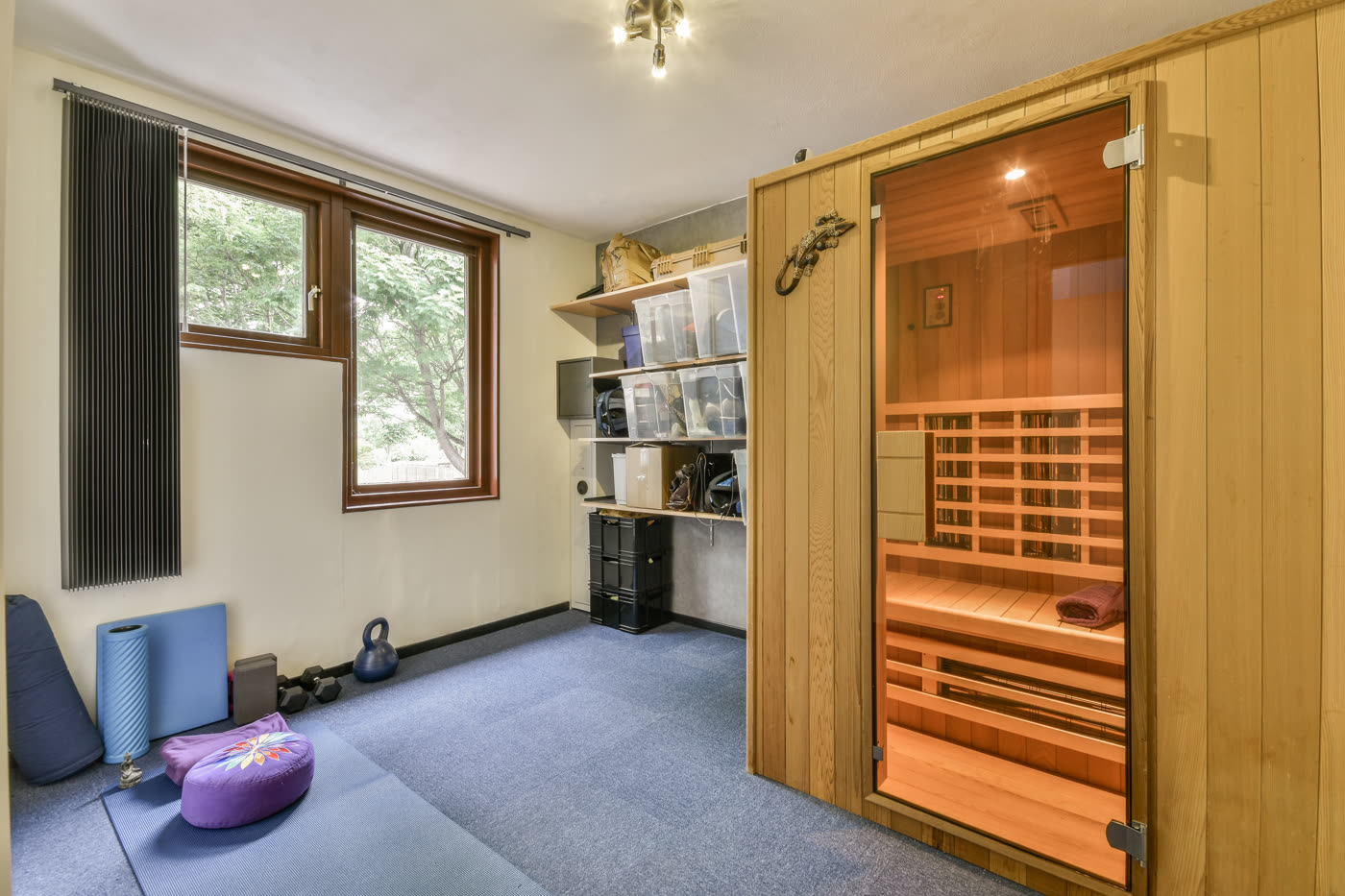
- Compact wooden cabin: More furniture-like and comfortable, but less portable in practice. It may need more dedicated floor space, freight delivery, assembly time, and a clearer electrical plan.
- Sauna blanket alternative: Not technically a box, but often considered by shoppers with limited space. It stores easily, though the experience is more like being wrapped in a heated sleeve than sitting in a sauna.
The best choice depends on the constraint you cannot change. If you cannot manage moisture, avoid steam-heavy options. If you cannot leave a unit assembled, prioritize folding size and drying time. If you dislike tight spaces, pay attention to seat width, shoulder room, height, and how easily you can enter and exit.
Space, flooring, and placement checklist
Before comparing prices, measure the exact spot where the unit will be used. Include clearance around doors, zippers, vents, steam hoses, power cords, and any chair. A unit that technically fits may still be frustrating if you cannot sit comfortably, wipe surfaces, open the enclosure, or step out safely after a hot session.
Use this checklist before buying:
- Measure floor space with the chair and foot area included.
- Confirm ceiling clearance for full-body models.
- Choose a hard, water-resistant floor or use a protective mat for steam units.
- Keep the sauna away from bedding, curtains, paper, clutter, and anything heat-sensitive.
- Make sure the cord reaches without a daisy chain of extension cords unless the manufacturer specifically allows it.
- Plan where wet towels, condensation, and post-session ventilation will go.
- Confirm storage dimensions, not just assembled dimensions.
Portable does not always mean effortless. If setup takes fifteen minutes and cleanup takes another fifteen, you may use the product less than expected. Buyers should picture the whole routine, not just the session.
Heat style: dry, humid, infrared, or hybrid
Heat style affects comfort more than many shoppers expect. Steam boxes feel humid and enveloping, and the perceived heat may feel intense even at lower air temperatures. Infrared products often feel gentler in the surrounding air, though the radiant sensation depends on panel placement and distance from the body. Compact dry electric units may feel closer to a traditional sauna, but small portable designs rarely match the durability and ventilation of a dedicated sauna room.
Be cautious with listings that compare unlike measurements. Steam temperature, air temperature, panel surface temperature, and controller setpoint are not the same thing. A product that advertises a high maximum number may not maintain that temperature under normal use. Ask whether the number was measured in the air, at the heater, on a panel, or inside the enclosure after a long warm-up.
If you are comparing infrared products, use Far Infrared vs Near Infrared Sauna to understand wavelength language. Treat full-spectrum, low-EMF, detox, calorie-burn, and recovery claims as marketing until the seller provides clear documentation.
Safety and documentation red flags
A portable sauna box uses electricity, heat, fabric, wood, moisture, or all of the above. That combination deserves caution. A good product page should make it easy to find the manual, electrical rating, materials, cleaning instructions, warnings, warranty terms, and support process. If the seller hides basic details until after purchase, consider that a red flag.
Look for:
- A readable manual before checkout.
- Electrical rating, plug type, voltage, wattage, and circuit guidance.
- Overheat protection or automatic shutoff details.
- Clear instructions for steam generator placement and water fill limits.
- Materials information for fabric, frame, heater, chair, and interior surfaces.
- Return policy language that explains freight, restocking fees, and damaged shipments.
- Replacement part availability for controllers, hoses, zippers, panels, and steamers.
Avoid products that rely on dramatic health promises while giving little information about safety testing, warranty service, or ordinary maintenance. The SaunaBoxes Home Sauna Buyer Beware page is a useful companion before checkout.
Pros and cons of portable sauna boxes
Pros
- Lower commitment than a built-in sauna.
- Usually easier for renters and small-space buyers.
- Can be stored or relocated when needed.
- Often costs less than a full cabin or remodel.
- Lets buyers test whether regular sauna use fits their routine.
Cons
- Comfort and durability vary widely.
- Steam models can create moisture problems if used carelessly.
- Folding frames, zippers, and hoses may wear over time.
- Heat distribution may be uneven in very compact units.
- Return shipping can be expensive for bulky products.
- Health and performance claims are often overstated.
The main buyer tradeoff is convenience versus longevity. Portable products solve space and commitment problems, but they introduce questions about materials, cleaning, and replacement parts.
Practical buying checklist
Use this final checklist before you buy:
1. Fit: Will it fit your body, your chair, your room, and your storage area?
2. Heat preference: Do you want humid steam, dry radiant heat, or a compact cabin feel?
3. Moisture plan: Can your room handle humidity, condensation, and drying time?
4. Electrical plan: Does the product match your outlet and circuit capacity?
5. Cleaning: Can you wipe, dry, drain, and store it after every use?
6. Documentation: Can you read the manual before ordering?
7. Warranty: Are exclusions, parts, labor, shipping, and time limits clear?
8. Returns: Who pays if the product is uncomfortable, too large, or damaged in transit?
9. Claims: Are the claims realistic and supported, or mostly wellness hype?
10. Routine: Will setup and cleanup fit the way you actually live?
Who should consider one?
A portable sauna box can make sense for renters, apartment dwellers, people building a small home gym, buyers who want a lower-cost trial before investing in a cabin, and households that cannot remodel. It is less ideal for buyers who want a traditional high-heat wood sauna feel, people with no moisture-safe area, anyone who dislikes compact enclosures, or shoppers who expect medical-level benefits from a consumer product.
FAQ
Is a portable sauna box worth it?
It can be worth it if you value convenience, have realistic expectations, and choose a model that fits your space and maintenance tolerance. It is not worth it if the product will be annoying to assemble, difficult to dry, or expensive to return.
Is steam or infrared better for a portable sauna box?
Neither is universally better. Steam feels humid and intense but requires moisture planning. Infrared is usually drier and may be easier in apartments, but panel quality and claims vary. Choose based on room conditions and comfort preference.
Can I use a portable sauna box in an apartment?
Often, yes, but check lease rules, electrical requirements, floor protection, ventilation, and moisture. Steam units need extra caution because condensation can affect walls, flooring, and nearby belongings.
How long should sessions be?
Follow the manual and start conservatively. Many beginners use shorter sessions and lower heat while learning tolerance. Stop if you feel dizzy, unwell, overheated, or uncomfortable.
Do portable sauna boxes detox the body?
Sweating is real, but broad detox claims are often overstated. Your body already uses organs such as the liver and kidneys for detoxification. Treat detox language as marketing unless supported by credible evidence.
Helpful internal links
Use these SaunaBoxes resources while comparing options:
- Types of Saunas Explained for the broader category map.
- Dry Sauna vs Wet Sauna vs Infrared for heat-style tradeoffs.
- Far Infrared vs Near Infrared Sauna if you are evaluating infrared marketing claims.
- Home Sauna Buyer Beware for warranty, freight, and safety-documentation red flags.
- Sauna Benefits and Risks for a cautious overview of health-related claims and limitations.
- Sauna Buyer Guide Tool when you want a structured shortlist process.
Disclaimer
This guide is educational and buyer-focused. It is not medical advice, installation advice, electrical advice, or a substitute for reading the product manual. Sauna use may not be appropriate for everyone, including some people who are pregnant, heat-sensitive, dehydrated, taking certain medications, or living with cardiovascular, blood pressure, neurological, skin, or respiratory conditions. Talk with a qualified clinician before using heat therapy if you have a medical condition or are unsure. For installation, electrical capacity, ventilation, moisture control, and code questions, consult qualified professionals and follow local rules and the manufacturer's instructions.