Quick answer
The best sauna for a small apartment is usually a low-moisture, compact, easy-to-store option that does not require remodeling, special ventilation, or a dedicated high-amperage circuit. For many renters, that means a portable infrared sauna box, a folding sauna tent, or a sauna blanket. A steam tent can work, but only if you have a safe moisture plan, a hard floor, and enough ventilation to dry the room afterward. A compact wooden infrared cabin may be more comfortable, but it is often less apartment-friendly because of size, delivery, assembly, and return logistics.
The safest buying approach is to choose around your constraints: lease rules, storage space, outlet capacity, humidity tolerance, noise, floor protection, and ease of cleanup. Health claims should be treated cautiously. A small apartment sauna is a comfort and routine purchase first, not a guaranteed medical or weight-loss device.
Start with apartment constraints, not product hype
Small-space shoppers often begin by searching for the hottest or most powerful unit. That is backwards. In an apartment, the limiting factor is rarely maximum heat; it is whether the product can be used without damaging the unit, the room, or your relationship with your landlord or neighbors. You need to think about where moisture goes, whether the unit blocks a walkway, how it stores after use, and whether the cord can be used safely without improvised extension setups.
A practical apartment sauna should pass five tests. It should fit in the room when assembled. It should fit in a closet, corner, or under-bed area if storage matters. It should not require permanent changes. It should be cleanable with ordinary effort. It should come with clear documentation and a return policy that is realistic for bulky goods. Compare the category basics in Types of Saunas Explained before deciding.
Best apartment sauna types compared
Portable infrared sauna box
A portable infrared box is often a strong apartment candidate because it usually produces less humidity than steam. Many versions fold or break down more easily than wooden cabins. The experience can be comfortable if the box has enough shoulder room, stable heat, and sensible panel placement. The downside is that performance varies, and some listings lean heavily on infrared claims without explaining panels, wattage, materials, or warranty support.
Folding steam sauna tent
A steam tent can be compact and inexpensive. It may also feel hotter at lower temperatures because humidity transfers heat efficiently. The problem is moisture. In a small apartment, repeated steam use near drywall, carpet, furniture, or poor ventilation can create issues. A steam tent is best for buyers with hard flooring, a bathroom-adjacent setup, strong drying habits, and a willingness to clean hoses, reservoirs, fabric, and interior surfaces.
Sauna blanket
A sauna blanket is the easiest to store and often the least visually intrusive. It does not create the seated sauna experience, and some people dislike being wrapped up. Cleaning is important because sweat contacts the interior liner closely. It may be a good option if floor space is extremely limited and you want a simple heat routine rather than a cabin-like session.
Compact wooden infrared cabin
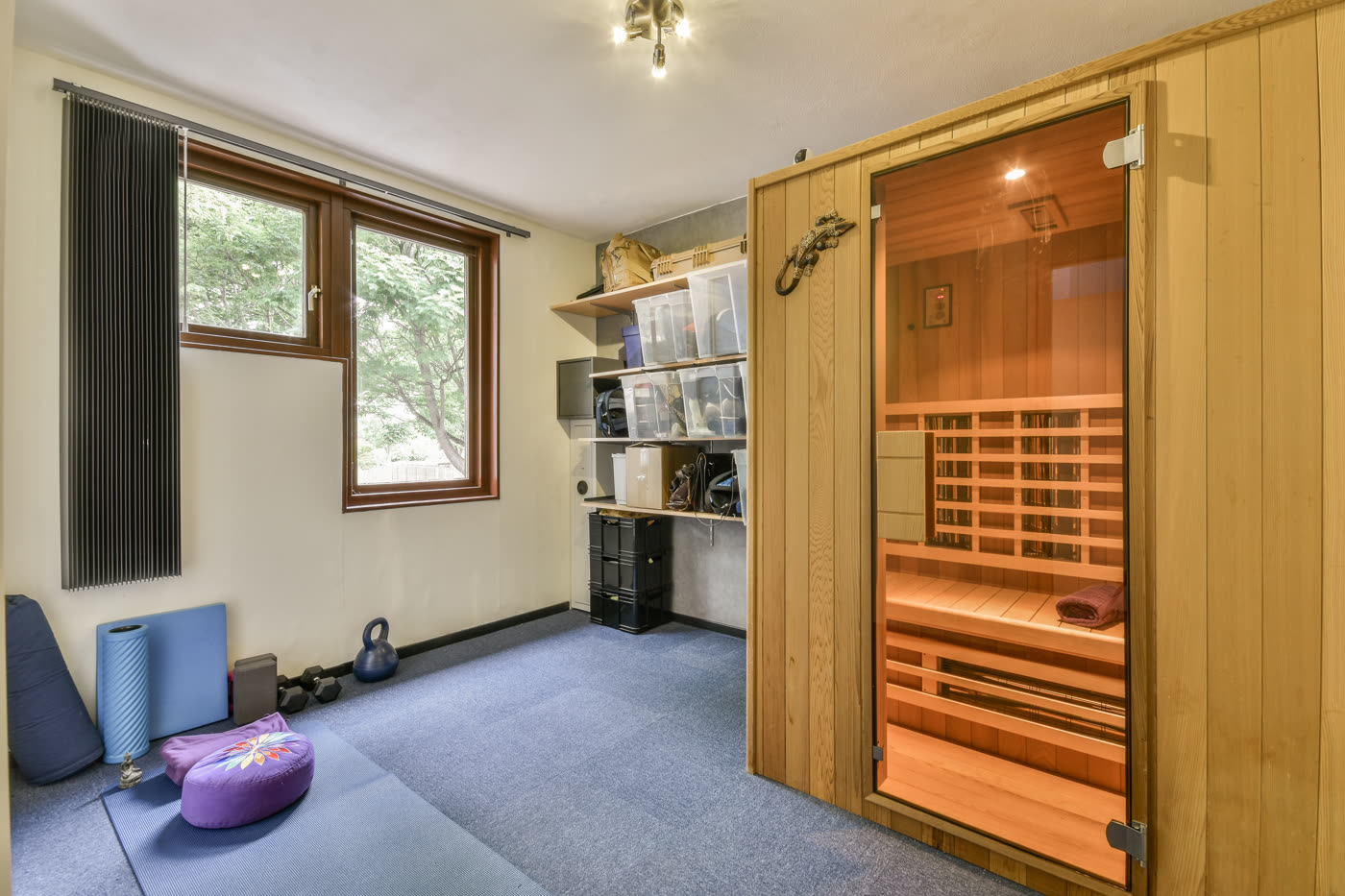
A one-person infrared cabin can feel more stable and comfortable than a fabric product. It also looks more permanent, requires more room, and may arrive by freight. Apartment buyers must think about stairs, elevators, door widths, assembly, noise during delivery, and what happens when moving out. If you plan to stay put and have a spare room, it may work. If you move often, it may be too much commitment.
Apartment buyer pros and cons
Pros of compact apartment saunas
- No remodel in many cases.
- Lower cost than built-in sauna rooms.
- Flexible placement compared with permanent units.
- Good for building a consistent relaxation routine.
- Easier to test preferences before buying a larger sauna later.
Cons and risks
- Moisture can become a real apartment problem.
- Storage and drying space are often underestimated.
- Small units can feel cramped.
- Electrical limits may restrict use.
- Return shipping and restocking fees may be costly.
- Marketing claims can exceed the evidence.
The apartment buyer's goal is not to find the most impressive sauna on paper. It is to find the option you can use repeatedly without friction.
Lease, electrical, and neighbor checklist
Before buying, review your lease and building rules. Some leases restrict high-heat appliances, water-related devices, or equipment that could affect flooring and walls. Even if a portable unit is allowed, you are usually responsible for damage.
Use this checklist:
- Confirm the product does not require permanent installation.
- Check outlet type, voltage, wattage, and circuit requirements.
- Avoid overloaded power strips and improvised wiring.
- Measure doorways, closets, and storage areas.
- Choose a non-slip, water-resistant mat for steam units.
- Keep the unit away from sprinklers, smoke detectors, curtains, and clutter.
- Consider noise from steamers, fans, zippers, and setup.
- Plan drying time so humidity does not linger.
If electrical instructions are unclear, ask the seller before purchase or skip the product. A low price is not worth guessing around heat and electricity.
Moisture planning for small apartments
Moisture is the biggest difference between apartment sauna types. Infrared and dry-heat products still produce sweat and warmth, but they do not intentionally fill the enclosure with steam. Steam tents do. That can be pleasant, but in a small unit it means you need a repeatable drying routine.
Place steam units on hard flooring or a protective mat. Keep towels nearby. Empty reservoirs according to the manual. Wipe condensation from interior surfaces. Let the tent fully dry before folding it. Use ventilation where appropriate, and do not trap damp fabric in a closet. If your only available location is carpet near a bed or bookcase, a steam sauna may be the wrong fit.
For a broader comparison of wet, dry, and infrared heat, read Dry Sauna vs Wet Sauna vs Infrared.
How to choose by living situation
If you live in a studio, prioritize storage and fast cleanup. A sauna blanket or folding infrared box may be more realistic than a cabin. If you have a one-bedroom apartment with a spare corner, a portable box or small infrared cabin may be possible. If you have a bathroom with good ventilation and hard flooring, a steam tent may be workable. If you move frequently, avoid anything heavy, fragile, or freight-delivered unless you are comfortable selling or transporting it later.
Also think about comfort. A unit that technically fits an apartment may not fit your body. Read dimensions carefully. Look for seat height, shoulder width, leg position, and entry style. If a product photo shows a tiny model in a staged room, do not assume it will feel roomy for you.
Red flags when shopping
Be skeptical of apartment sauna listings that promise dramatic health results, hide power requirements, omit assembled and stored dimensions, or make returns difficult. Beware of listings that say portable but require two people, tools, and permanent floor space. Watch for vague warranty language such as limited coverage without explaining who pays shipping or whether replacement parts exist.
Use Home Sauna Buyer Beware before checkout, especially if a seller emphasizes wellness claims more than documentation.
FAQ
What is the best sauna for a small apartment?
For many renters, a portable infrared sauna box, folding sauna tent, or sauna blanket is most practical. The best choice depends on moisture tolerance, storage, outlet capacity, comfort, and lease rules.
Can a steam sauna tent damage an apartment?
It can if used carelessly. Steam creates humidity and condensation. Use hard flooring, mats, ventilation, drying time, and cleaning routines. Avoid using steam near carpet, drywall, electronics, books, or furniture that could be affected by moisture.
Is an infrared sauna better for apartments?
It is often easier because it is drier than steam, but not automatically better. Check dimensions, panel design, electrical requirements, and warranty terms. Infrared marketing claims should be reviewed carefully.
Can I put a sauna on carpet?
It is generally safer to avoid steam units on carpet. If a manufacturer allows use on carpet, still use protective layers and watch for heat and moisture issues. Follow the manual.
Do apartment saunas need ventilation?
Yes, in the practical sense that heat, humidity, and odors need a way to dissipate. Steam units need more ventilation and drying than infrared or blanket options.
Helpful internal links
Use these SaunaBoxes resources while comparing options:
- Types of Saunas Explained for the broader category map.
- Dry Sauna vs Wet Sauna vs Infrared for heat-style tradeoffs.
- Far Infrared vs Near Infrared Sauna if you are evaluating infrared marketing claims.
- Home Sauna Buyer Beware for warranty, freight, and safety-documentation red flags.
- Sauna Benefits and Risks for a cautious overview of health-related claims and limitations.
- Sauna Buyer Guide Tool when you want a structured shortlist process.
Disclaimer
This guide is educational and buyer-focused. It is not medical advice, installation advice, electrical advice, or a substitute for reading the product manual. Sauna use may not be appropriate for everyone, including some people who are pregnant, heat-sensitive, dehydrated, taking certain medications, or living with cardiovascular, blood pressure, neurological, skin, or respiratory conditions. Talk with a qualified clinician before using heat therapy if you have a medical condition or are unsure. For installation, electrical capacity, ventilation, moisture control, and code questions, consult qualified professionals and follow local rules and the manufacturer's instructions.